Rising electricity costs, sustainability targets, and operational inefficiencies are pushing organisations in Singapore to rethink how lighting is managed. While traditional lighting systems remain common in many commercial and industrial spaces, they are increasingly expensive to operate and difficult to control.
Smart lighting systems provide a practical and scalable solution that helps businesses reduce energy consumption, improve lighting quality, and gain better operational control.
Traditional Lighting: High Energy Use, Limited Control
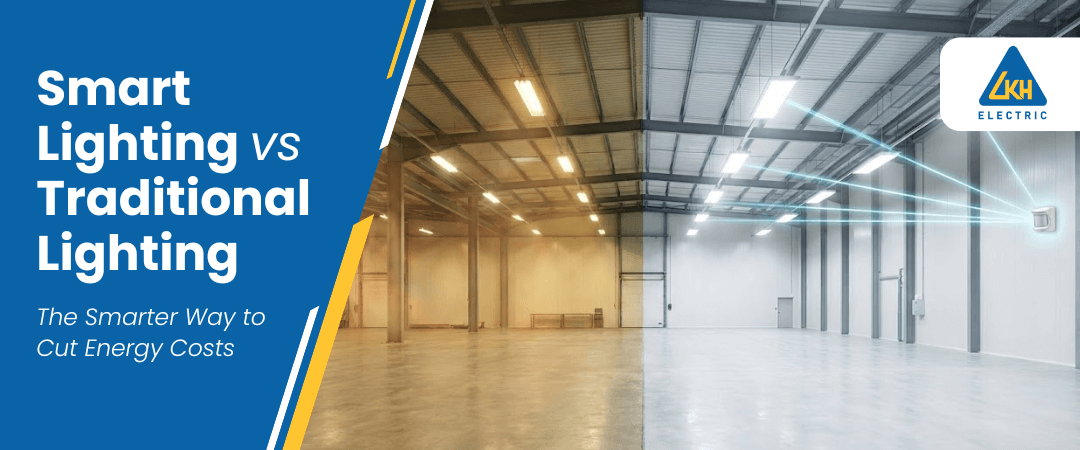
Many commercial and industrial buildings in Singapore still rely on outdated lighting systems. These setups consume more power than necessary, generate excess heat, and often operate continuously even when spaces are unoccupied. It drives up electricity bills and operational costs.
The Inefficiency of Traditional Lighting
Unlike modern smart systems, traditional lighting typically operates on manual switching or fixed schedules. This leads to significant inefficiencies:
Lights remain on in empty rooms or corridors.
Artificial lights blast at full power even when natural sunlight is sufficient.
The lack of responsiveness results in inefficient usage across large facilities.
What Inefficient Lighting can lead to?

Excessive Energy Consumption
Unnecessarily high electricity usage and waste across commercial, industrial, and facility environments.
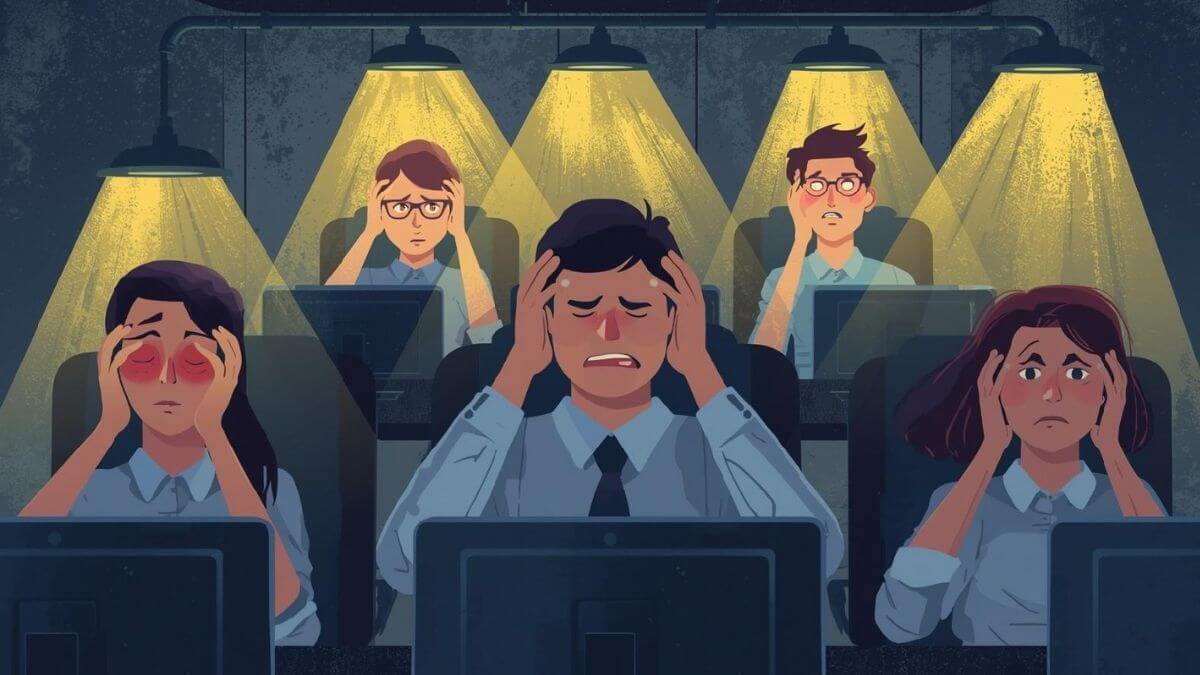
Poor & Inconsistent Quality
Flickering or uneven lighting quality can negatively affect occupant comfort and workplace safety.

Lack of Control & Visibility
Facility managers often struggle with limited visibility and control due to the lack of centralised lighting management.
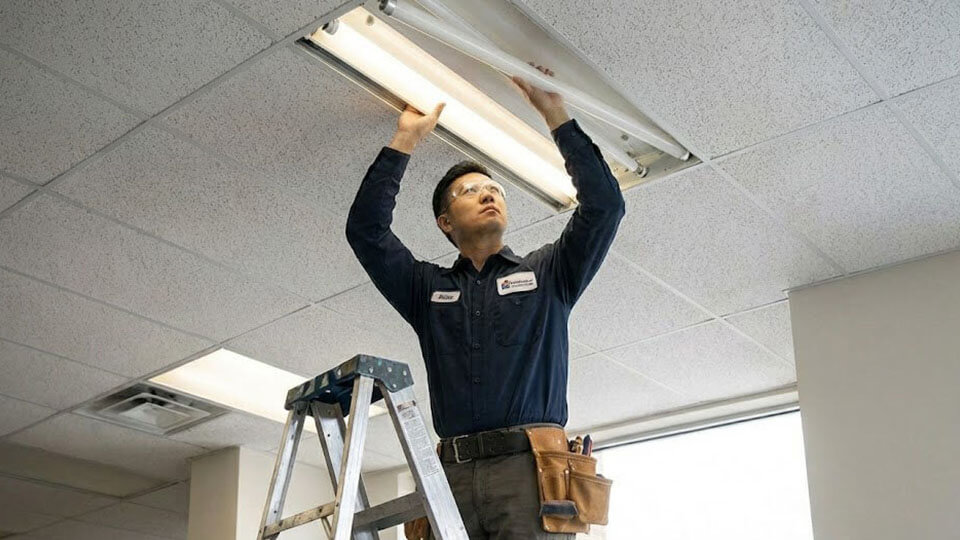
Reduced Equipment Lifespan
Continuous and prolonged usage burns out luminaires faster, leading to more frequent replacements and maintenance costs.
Smart Lighting Systems: Intelligent, Efficient, and Connected
Modern smart lighting system integrate energy-efficient LED luminaires with smart sensors, switches, controllers and a smart lighting control system. These systems automatically adjust lighting levels based on real-time conditions such as occupancy, movement and natural daylight.
Key Capabilities of Smart Lighting
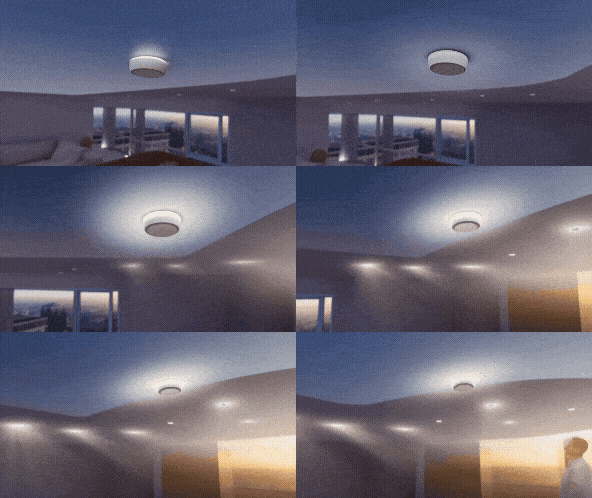
Occupancy & Motion Sensing
Sensors detect presence to automatically turn lights on or off, eliminating unnecessary lighting in empty rooms.
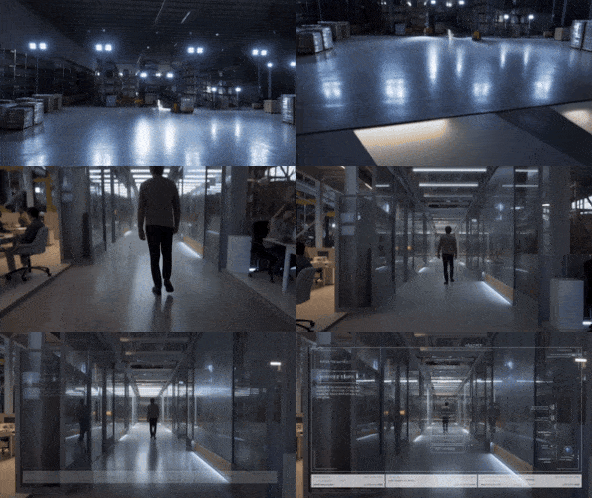
Zonal Control
Allows facilities to set specific lighting rules for different zones (e.g. warehouse vs office area) and operating hours.

Daylight Harvesting
The system measures available natural light and dims artificial lights to balance the brightness, optimizing energy use.
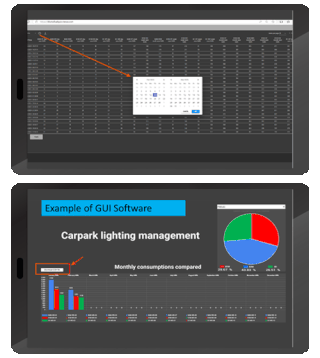
Centralised Management
A centralised control system provides a dashboard for easy monitoring, scheduling, and fault detection across the entire facility.
Why does it matter for businesses?
Optimise Energy Use
Drastically lower electricity consumption.
Enhance Control
Gain real-time operational oversight.
Improve Visibility
Better lighting quality and system monitoring.
Sustainability and Cost Savings
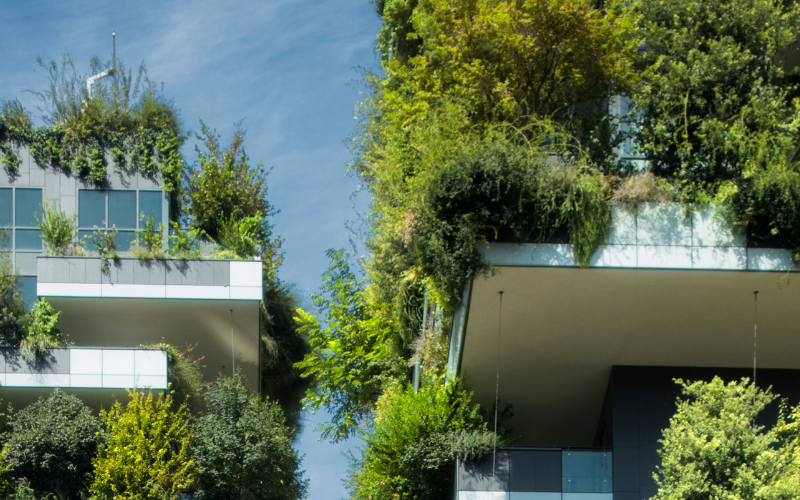
“Lighting plays a vital role in designing environmentally responsible spaces and driving a greener and more sustainable future.”
Singapore Green Building Council
When paired with smart controls, energy savings are even greater by preventing unnecessary lighting use.
Our smart lighting solution uses sustainable lighting products from brands such as Philips Signify. These products are designed to improve energy efficiency, extend luminaire lifespan, and allow system upgrades or maintenance over time.
In practice, this means lower energy consumption, fewer replacements, and more predictable maintenance planning while supporting efficient lighting management in commercial spaces.
Why Choose Lim Kim Hai Electric?
As a trusted lighting supplier in Singapore, Lim Kim Hai Electric delivers smart and sustainable lighting solutions designed to address real energy challenges.
From planning and installation to ongoing maintenance, we help businesses reduce electricity bills, improve operational efficiency, and deliver professional consultancy tailored to their business needs
Enquire Now
Find out how smart lighting can reduce your operating costs: