Older buildings often experience building energy inefficiency due to aging infrastructure, outdated equipment, and inefficient operations. Recognising the signs your building needs an energy retrofit early can help reduce rising operational costs, improve occupant comfort, and support long-term sustainability goals. Over time, issues such as rising building energy costs, aging cooling systems, outdated lighting infrastructure, recurring maintenance problems, and inefficient commercial building operations can significantly impact overall building performance.
Recognising these early warning signs can help building owners prioritise energy efficiency improvements before larger retrofit investments become necessary.
Key Takeaways
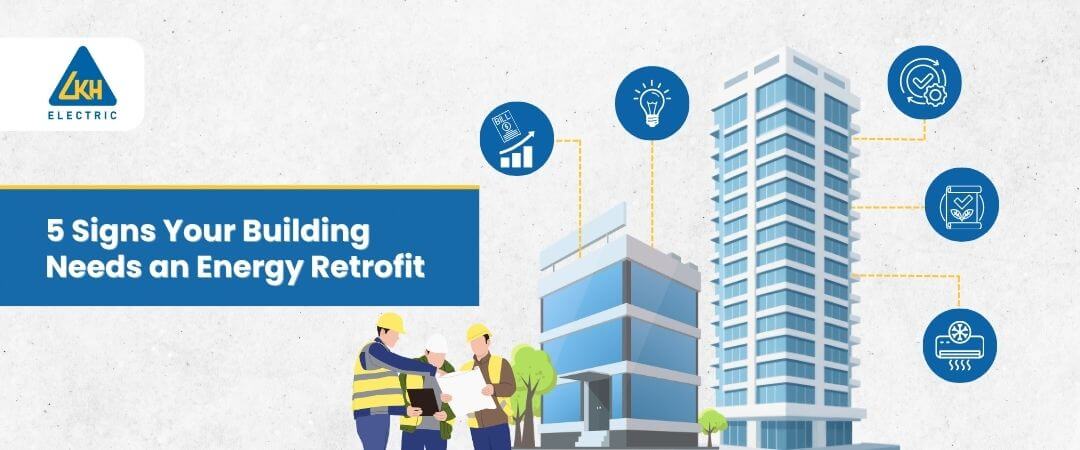
The article highlights five warning signs that indicate a building may need an energy retrofit. These signs include rising energy bills, outdated equipment, inconsistent indoor comfort, frequent maintenance issues, and poor energy efficiency. The article explains how energy retrofits can modernise building systems, improve efficiency, reduce operational costs, and support sustainability goals.
Rising Energy Costs
Higher utility bills despite stable occupancy may indicate inefficient building systems and unnecessary energy consumption.
Uneven Cooling
Persistent hot spots and inconsistent temperatures suggest HVAC systems may be outdated or underperforming.
Lighting Inefficiency
Frequent lighting issues and excessive energy usage may signal the need for smarter and more energy-efficient lighting systems.
Equipment Downtime
Recurring maintenance issues and unexpected breakdowns may indicate aging infrastructure that requires upgrades or predictive maintenance.
Sustainability Gaps
Buildings that fail to meet modern sustainability standards may struggle with higher costs, lower efficiency, and ESG expectations.
1. Rising Energy Bills Despite Stable Occupancy
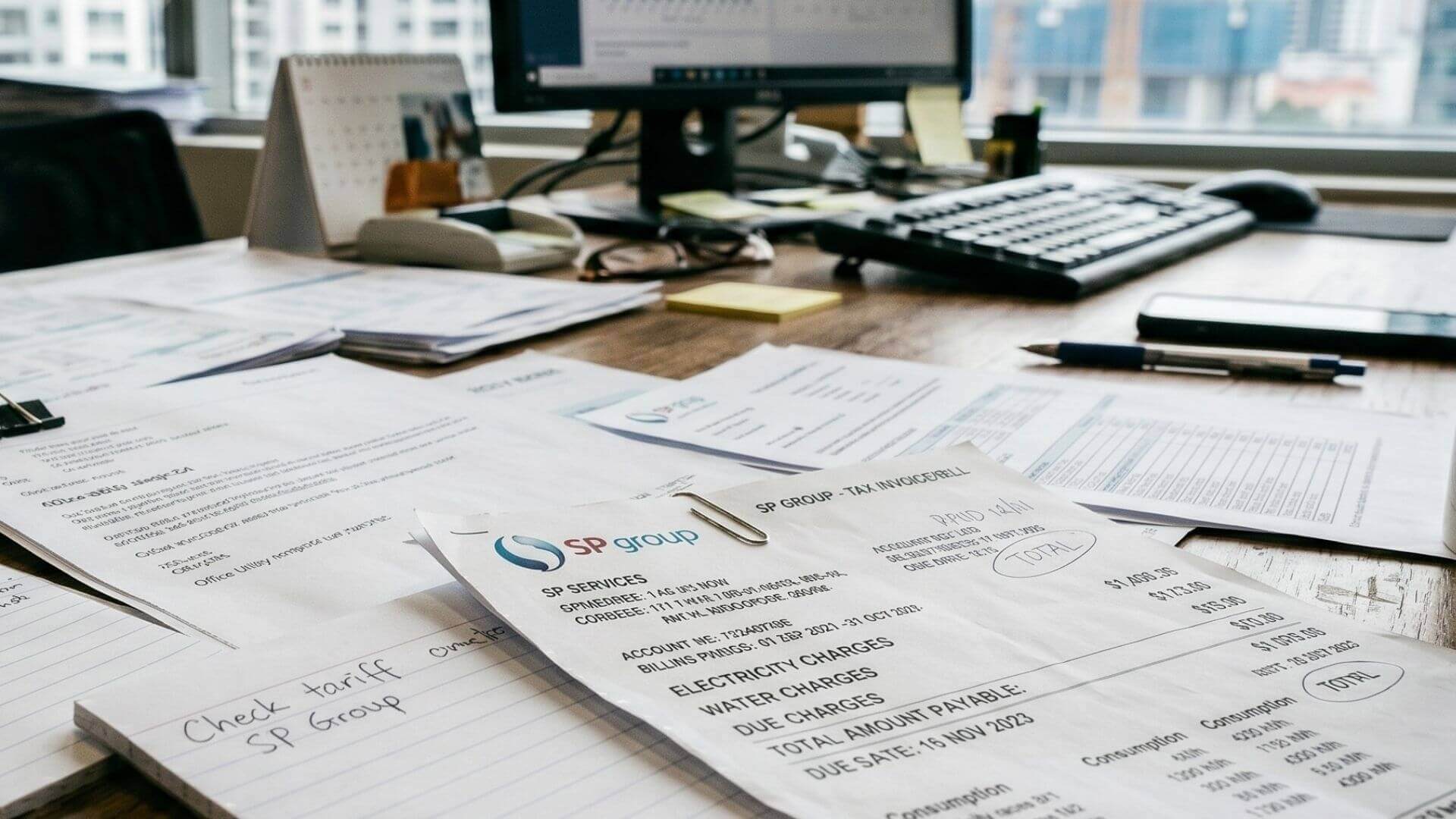
One of the most common signs of building energy inefficiency is increasing utility costs despite little change in occupancy or operating hours. In Singapore, rising electricity prices and ongoing energy market volatility have also increased pressure on operational costs for commercial buildings.
These inefficiencies often develop gradually and may go unnoticed until operational costs increase significantly.
Monitoring utility trends and identifying unusual consumption patterns can help address rising building energy costs early.
Common Warning Signs Include:
- Increasing monthly utility bills
- Unexpected spikes in electricity consumption
- Higher after-hours energy usage
- Cooling systems running longer than usual
- Energy usage remaining high during low occupancy periods
These inefficiencies often develop gradually and may go unnoticed without regular monitoring or energy performance reviews.
2. Frequent Hot Spots and Inconsistent Cooling
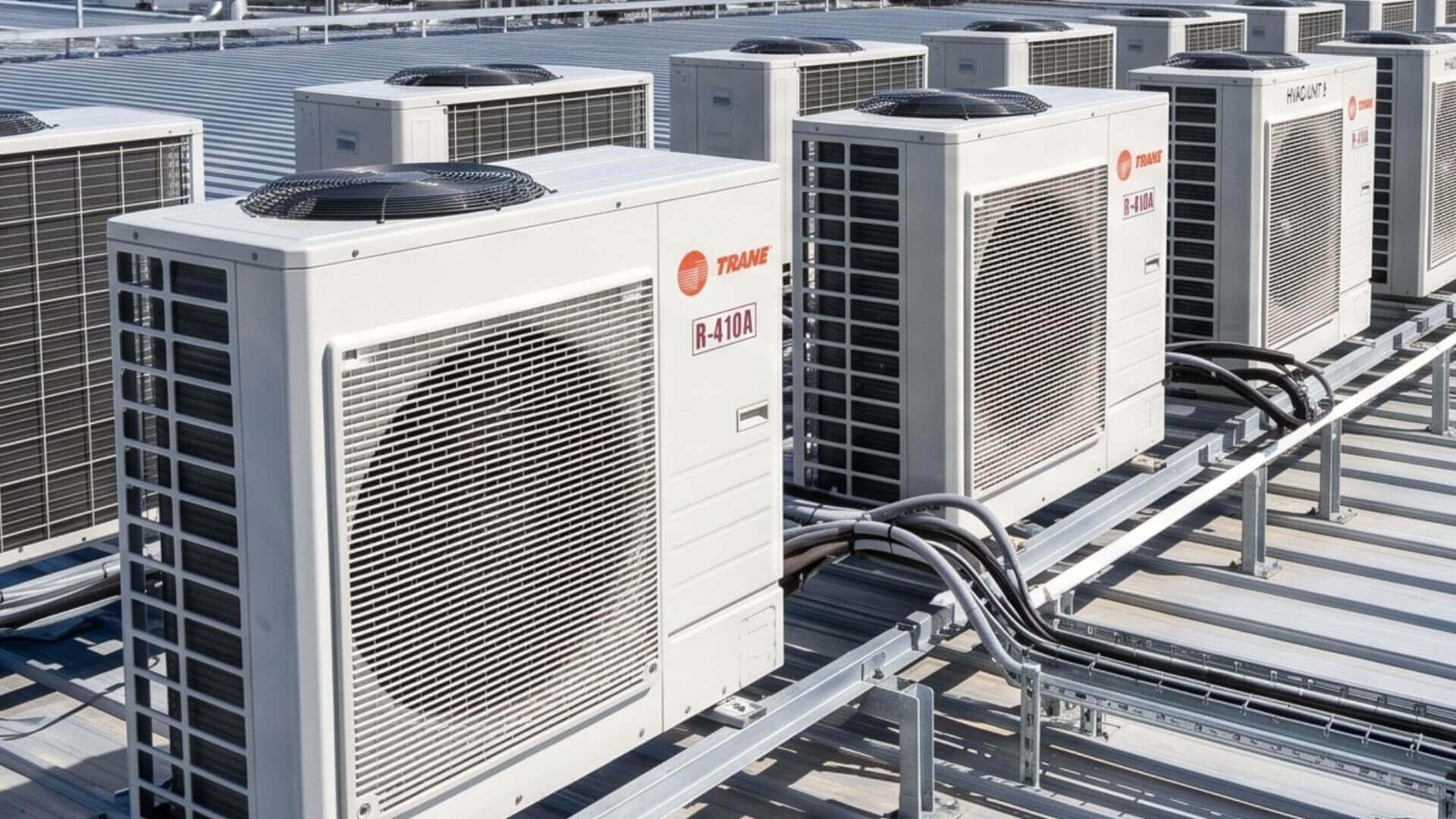
Cooling systems are major energy consumers in commercial buildings, especially in Singapore’s climate. Older systems often lose efficiency over time, increasing energy usage and reducing indoor comfort.
Common Warning Signs Include:
- Uneven room temperatures
- Frequent hot or stuffy areas
- Increased maintenance frequency
- Excessive operational noise
- Poor airflow circulation
- Longer cooling periods
In many older buildings, inefficiencies may also stem from outdated controls or aging components operating beyond their intended lifespan.
Targeted upgrades and operational improvements can help improve cooling efficiency while reducing unnecessary energy consumption.
3. Frequent Lighting Issues and Excessive Energy Usage
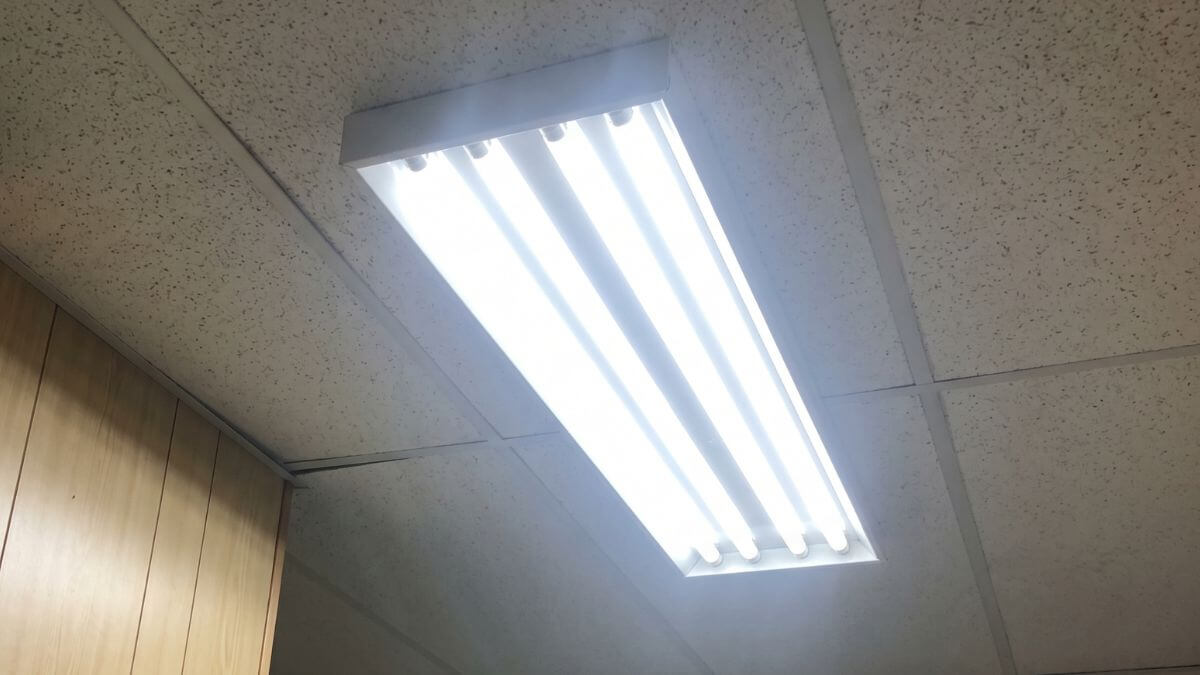
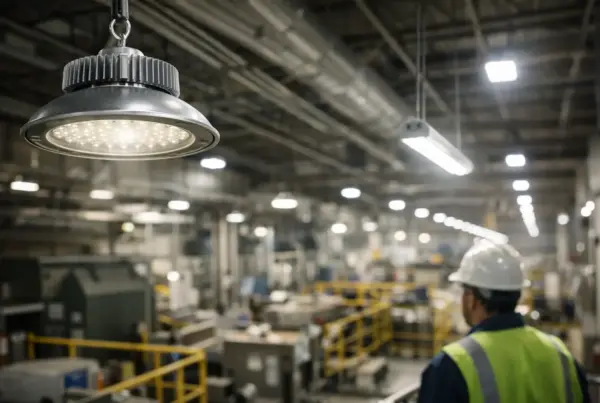
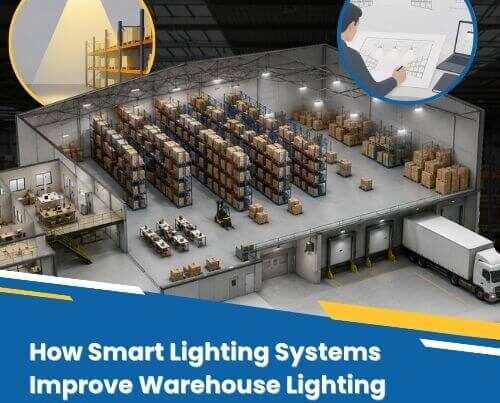
While lighting issues may appear minor compared to cooling or electrical systems, outdated lighting infrastructure can contribute to higher electricity costs, increased maintenance requirements, and overall building energy inefficiency in older commercial buildings. Inefficient lighting systems may also affect workplace visibility, occupant comfort, and day-to-day operational efficiency.
Common Warning Signs Include:
- Frequent light replacements
- Flickering or inconsistent lighting
- Uneven illumination across workspaces
- Excessive heat from lighting fixtures
- Lighting operating in unoccupied areas
- Higher-than-expected electricity usage
Buildings still relying on older lighting technologies such as fluorescent fixtures often consume more energy while requiring more frequent maintenance. In some cases, inefficient lighting may also increase cooling loads due to excess heat generation.
Quick Win
Upgrading to energy-efficient LED lighting and implementing occupancy controls can help reduce building energy inefficiency while improving lighting quality and operational efficiency.
4. Frequent Equipment Downtime and Maintenance Issues
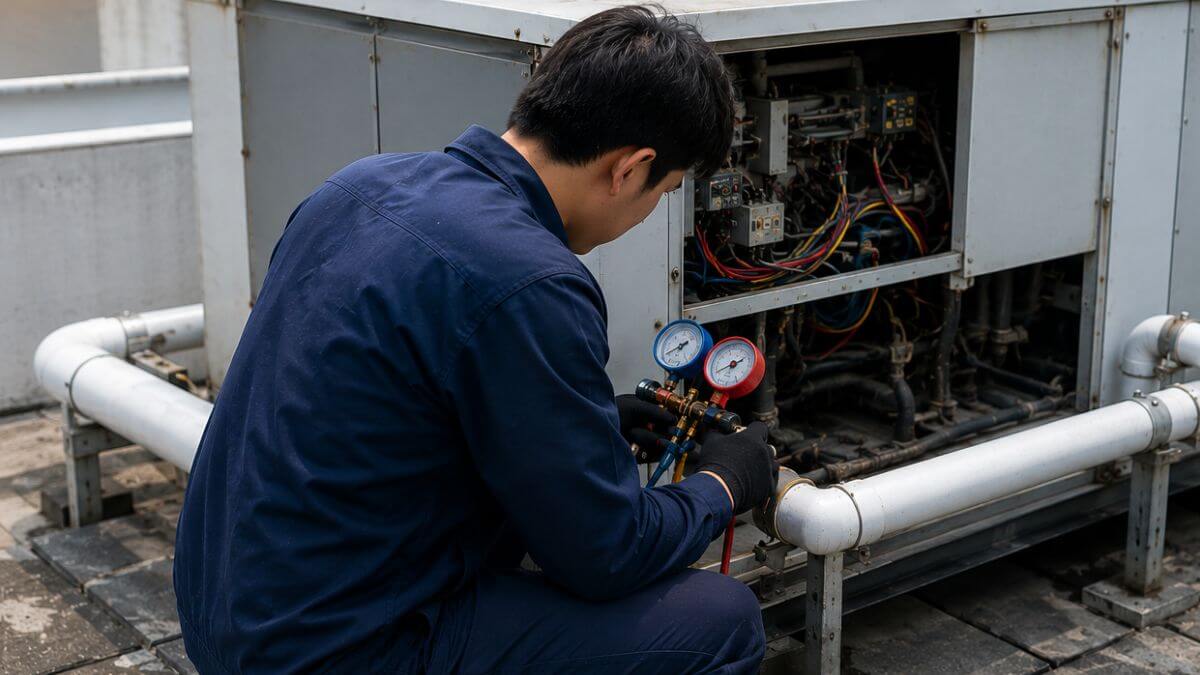
Recurring maintenance issues are another common indicator that building systems may be operating inefficiently.
As infrastructure ages, equipment often becomes less reliable and more costly to maintain.
Common Warning Signs
- Repeated equipment failures
- Electrical faults
- Water leakage around cooling equipment
- Unstable system performance
- Frequent servicing requirements
As systems age, maintenance costs may continue increasing while equipment efficiency declines.
Conducting proactive assessments can help identify systems that require upgrades before failures become more severe or costly.
5. Your Building Is Falling Behind Sustainability Standards

As sustainability expectations grow, older buildings may struggle to meet modern energy efficiency requirements.
Common Warning Signs
- High energy consumption
- Difficulty tracking Scope 1 & Scope 2 emissions
- Aging and inefficient building systems
- Poor ESG or sustainability performance
- Challenges meeting green building targets
Buildings with outdated infrastructure often find it more difficult to achieve sustainability targets due to inefficient systems and aging equipment.
Why It Matters
Singapore is strengthening climate reporting requirements, with SGX-listed companies required to disclose Scope 1 and Scope 2 emissions from FY2025 onwards. Buildings with outdated infrastructure may face greater pressure to improve energy performance and compliance readiness.
Retrofit vs Operational Improvements: What Should Building Owners Prioritise?
A full retrofit is not always necessary as a first step.
In many situations, building owners can begin with targeted improvements such as:
- Energy Baseline trending
- Replacing inefficient lighting
- Upgrading aging cooling equipment
- Improving operational controls
- Reducing unnecessary operating hours
- Conducting regular energy performance assessments
- Replacing outdated electrical components
These measures can help reduce operational costs while extending the lifespan of existing building systems.
For buildings requiring deeper operational visibility, smart energy solutions can also support long-term optimisation efforts.
Enquire Now
At Lim Kim Hai Electric, we help building owners identify opportunities to reduce energy waste, improve operational efficiency, and support long-term sustainability goals.
Whether you are planning an energy retrofit, upgrading aging systems, or exploring smarter building solutions, our experienced team is ready to help you take the next step toward a more efficient and reliable building.
Speak with Lim Kim Hai Electric today to explore the right energy optimisation strategy for your facility.