
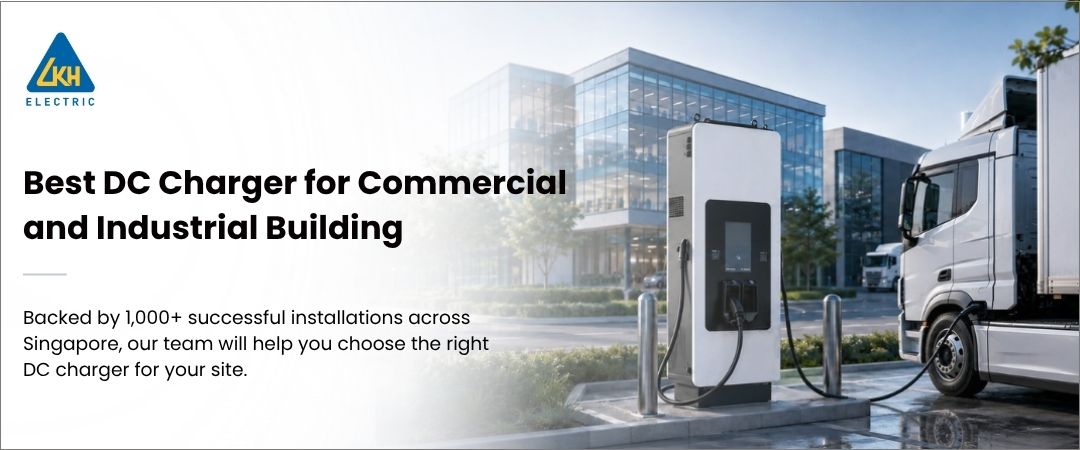
Looking for the best DC charger for a commercial building, fleet depot, shopping mall or industrial site? The right choice depends on more than the charger’s maximum power.
The right commercial DC charger should match:
- Type of vehicles using at the site
- Vehicle arrival & departure patterns
- Average parking time
- Available electrical capacity
- Charging software requirements
- Current & future charging demand
A 30-40kW charger suits smaller sites and longer parking periods, while 60kW to 120kW models are ideal for commercial buildings and medium-sized fleets. Higher-output 180kW to 240kW chargers are better for busy sites and faster vehicle turnaround.
This guide compares recommended commercial DC chargers, power ratings, important features, project costs and the questions to ask before installation.
Recommended DC Chargers
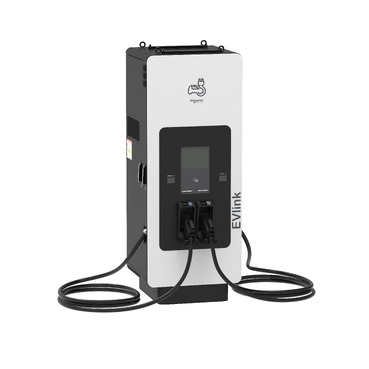
Schneider Electric EVlink Pro DC
Available Charger Options : 60kW | 120kW | 180kW
Best for commercial fleets, depots, and high-usage charging sites
Why consider it?
- Multiple power options
- Dual CCS2 connector
- Established electrical-equipment brand
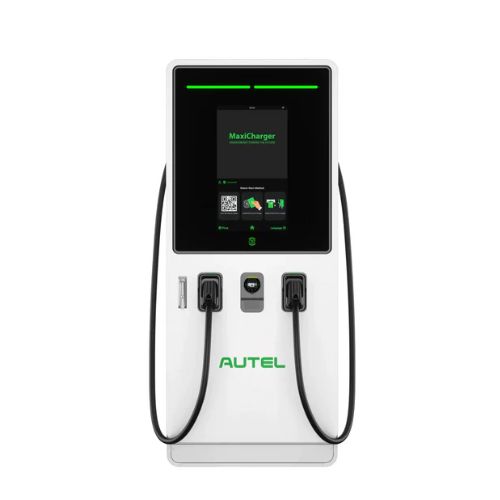
Autel MaxiCharger DC Fast
Available Charger Options : 120kW | 240kW
Best for mixed fleets, high-traffic charging sites, and commercial EV operations
Why consider it?
- CCS2 / socket support
- 27-inch touchscreen (with video display capability)
- Up to 96% peak efficiency
- IP54 protection
- Suitable for higher-power applications
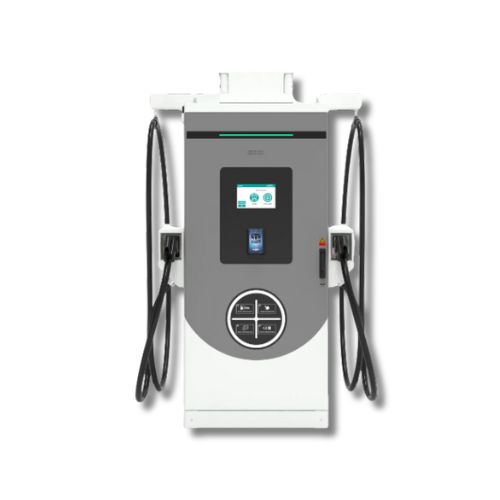
Winline Electree Cypress DC
Available Charger Options : 30-40kW | 60kW | 80kW | 120kW | 160kW
Best for buses, freight vehicles, taxis, public charging, and fleet applications
Why consider it?
- Remote fault diagnosis and OTA upgrade
- Strong safety features
- Designed for demanding charging environments
Which DC Charger Power Rating Does Your Site Need?
A higher-power DC charger is not automatically the better choice. The useful charging speed is limited by the vehicle’s maximum DC charging rate, battery condition, charging curve, power sharing and the electrical capacity available at the site.
| DC Charger output | Typical commercial application | When it may be suitable |
|---|---|---|
| 30-40kW DC Charger | Small offices, dealerships and light-duty fleets | The building has limited electrical capacity, and vehicles typically remain parked for longer periods. |
| 60kW DC Charger | Suitable for Offices, dealerships and smaller commercial sites | Vehicles park longer, require moderate top-ups or cannot accept much higher charging power |
| 120kW DC charger | A practical option for Commercial buildings, mixed-use developments and medium-sized fleets | A balance of charging speed, operating flexibility and infrastructure requirements is needed |
| 180kW DC charger | Suitable for busy commercial locations and high-utilisation fleets | Vehicles require shorter charging sessions and faster turnaround |
| 240kW and above | Better suited to public charging hubs, logistics operations and large-battery vehicles | The site has sufficient electrical capacity and vehicles can use higher charging power |
*These ranges are general guidelines. The correct power rating depends on the vehicle, charging time and available electrical capacity.
Key Features of a Commercial DC Charger
The best commercial DC charger should be easy to operate, compatible with your vehicles and manageable throughout its service life. Compare the following areas instead of focusing only on price and maximum kW.
Vehicle Compatibility
- CCS2 connector support
- Vehicle voltage and charging limit
- Single or dual charging
- Dynamic power sharing
Software and access
- OCPP compatibility
- Remote monitoring and diagnostics (Subscription required)
- RFID, app, fleet-card or payment access (Subscription required)
- Charging-session and energy reports (Subscription required)
Operations and maintenance
- Local technical support and spare parts
- Preventive maintenance alerts
- Warranty and response-time commitments
What Does a Commercial DC Charger Cost?
| Project cost component | Indicative cost | What affects the cost |
|---|---|---|
| DC charging equipment | S$20,000–S$50,000+ | Power output, connectors, screen, payment hardware and product configuration |
| Switchboard and electrical upgrades | S$5,000–S$30,000+ | Existing capacity, protection devices and switchboard condition |
| Cabling and civil works | S$8,000–S$70,000+ | Cable distance, trenching, routing, road works and charger location |
| Transformer or major capacity upgrades | S$50,000–S$300,000+ | Required additional capacity and site infrastructure |
| Software, payment and maintenance | Varies | Backend platform, payment processing, service level and reporting needs |
| Testing, commissioning and electricity | Varies | Project scope, approvals, usage and electricity tariff |
*These figures are indicative planning ranges only and may not apply to every project. A professional site assessment is required to confirm available electrical capacity and provide an accurate quotation.
Questions to Ask Before Buying the DC Charger
Choosing a DC charger involves more than comparing power ratings and prices. The charger must suit your vehicles, available electrical capacity, operating requirements and future growth plans.
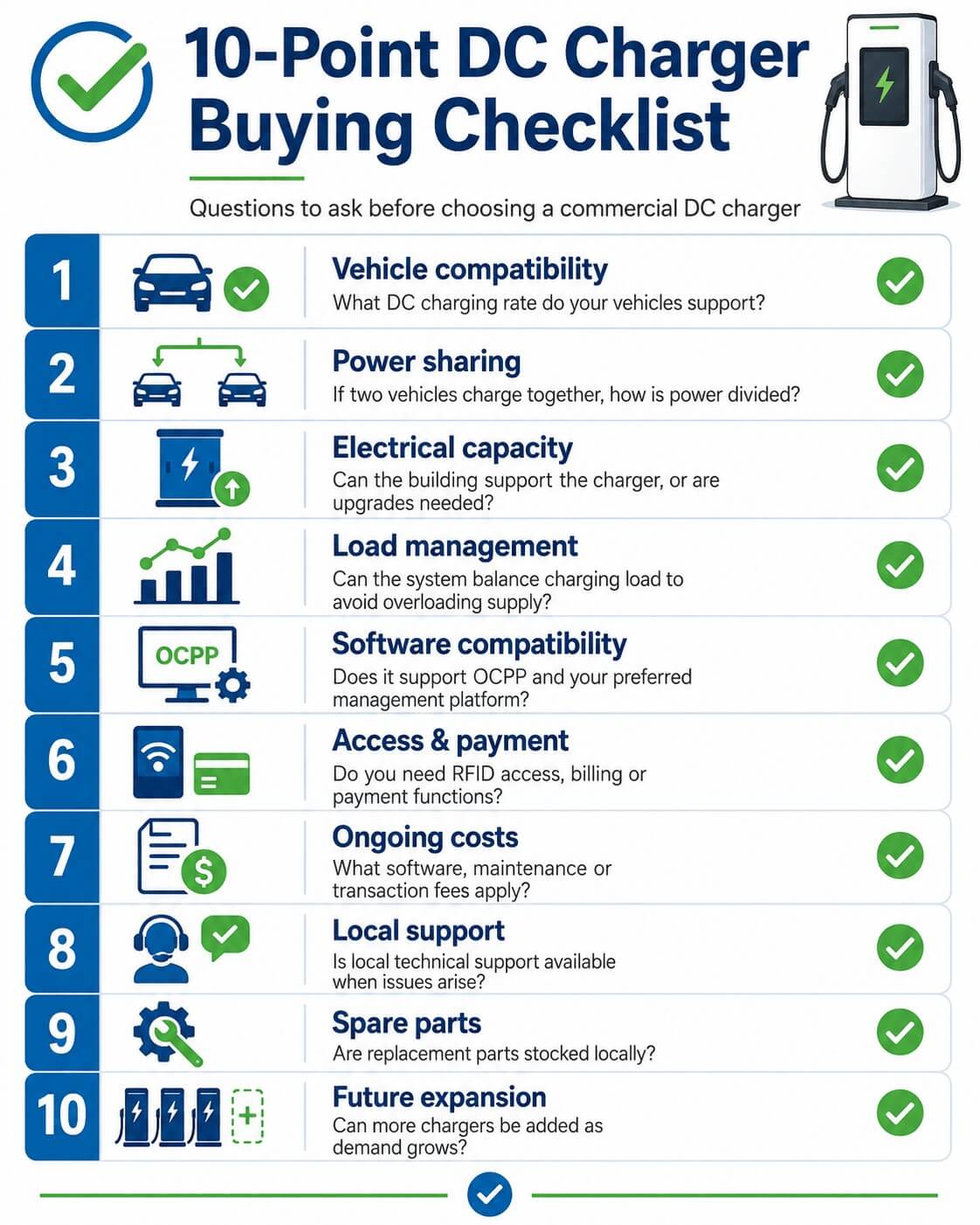
This helps reduce unexpected expenses, avoid compatibility issues and ensure the charging system can grow with your business.
Key areas to evaluate:
- Vehicle and connector compatibility
- Site electrical capacity
- Charging and load-management software
- Optional Payment and access requirements
- Local maintenance and spare-parts support
- Future expansion capability
Choose a Reliable Supplier
With experience supporting more than 1,000 EV charger installations across Singapore, Lim Kim Hai Electric helps commercial and industrial organisations plan and implement charging systems suited to their operational and electrical requirements.
We offer End-to-End Project Support :
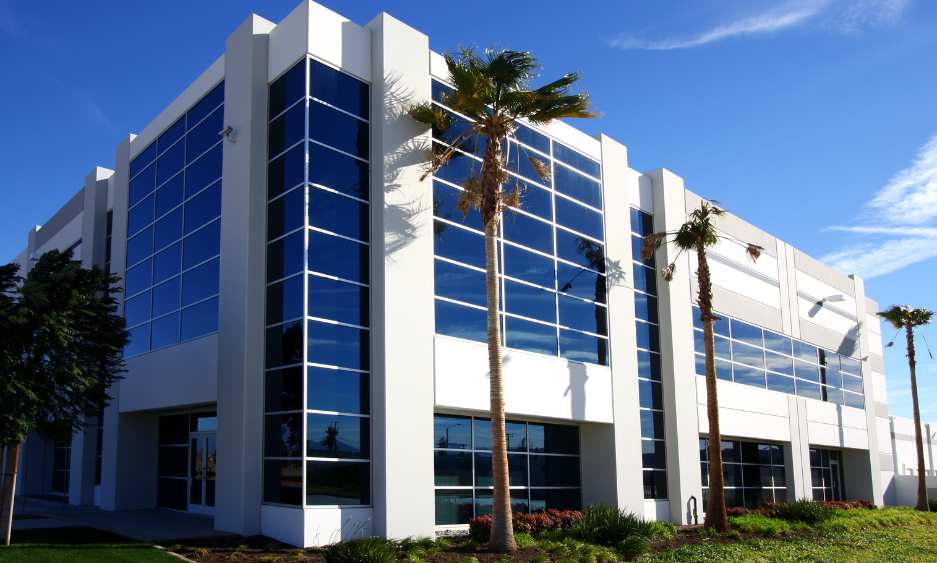
Site Survey
- Evaluate Electrical Capacity
- Identify the best location for Installation
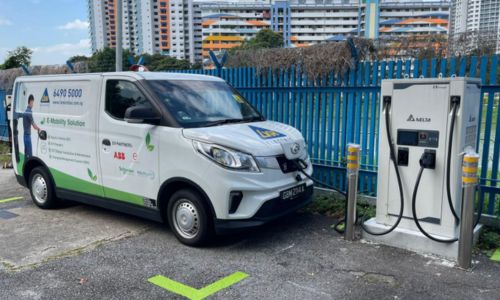
Installation
- Installed by a Licensed Electrical Worker (LEW)
- On-time & on-budget completion.
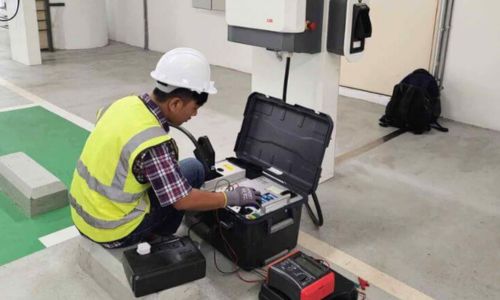
Inspection Service
- On-Demand inspection
- Regular Inspection Service
After-Sales Support
- After-sales support with technical help
Request a Site Assessment
Still struggling to choose the right DC charger for your site? Request a professional, no-obligation site assessment today.
Frequently Asked Questions About Commercial DC Chargers
What is the best DC charger for a commercial building?
The best DC charger depends on the vehicles, parking duration, daily charging demand and available electrical capacity. For many commercial buildings, a 120kW dual-connector charger provides a practical balance between charging speed, flexibility and infrastructure cost.
What DC charger power rating does my business need?
A 30-40kW charger suits smaller sites and longer parking periods, while 60kW to 120kW models are ideal for commercial buildings and medium-sized fleets. Higher-output 180kW to 240kW chargers are better for busy sites and faster vehicle turnaround.
Is a 60kW DC charger fast enough?
A 60kW charger may be sufficient when vehicles remain parked for longer periods, only require partial top-ups or cannot accept higher charging power.
Is a 120kW DC charger suitable for fleet charging?
Yes. A 120kW DC charger can be suitable for delivery fleets, service fleets and commercial vehicles that need faster charging between shifts or scheduled routes.
Can two vehicles use one DC charger?
Yes, if the charger has two connectors. However, the total power may be shared between both vehicles, so each vehicle may receive less than the charger’s maximum rated output.
Will a 120kW charger always charge at 120kW?
No. The actual charging speed depends on the vehicle’s charging limit, battery level, battery temperature and whether the charger is sharing power with another vehicle.
Does a commercial DC charger require an electrical upgrade?
Not always. A site assessment is needed to determine whether the building has enough spare electrical capacity. Load management may help reduce the need for major upgrades.
How much does a commercial DC charger cost?
The total project cost depends on the charger output, switchboard work, cabling, civil works, software, testing and electrical upgrades. A professional site assessment is required for an accurate quotation.
What features should a commercial DC charger have?
Important features include OCPP compatibility, remote monitoring compatibility, load management, power sharing, user authentication (optional), payment integration (optional), session reporting (optional) and remote diagnostics (optional).
Should a commercial building install AC or DC chargers?
AC chargers are suitable for vehicles parked for several hours, while DC chargers are better for short-stay users and vehicles that require faster turnaround. Many commercial sites use a combination of both.
How long does it take to install a commercial DC charger?
The installation period depends on the existing electrical infrastructure, charger location, cable routes, civil works and approval requirements. A typical installation of one to two DC chargers takes approximately one to two weeks. Projects requiring major electrical upgrades may take longer.