Smart lighting is transforming how businesses in Singapore manage energy, enhance comfort, and improve productivity. From offices and retail spaces to industrial facilities, a smart lighting system can intelligently adapt to the way people use light — delivering the right illumination, at the right time, while reducing energy waste.
If you’re exploring smart lighting solutions in Singapore, here are the top 5 things to consider before choosing the right technology or lighting supplier.
1. Purpose of the Space and Lighting Design
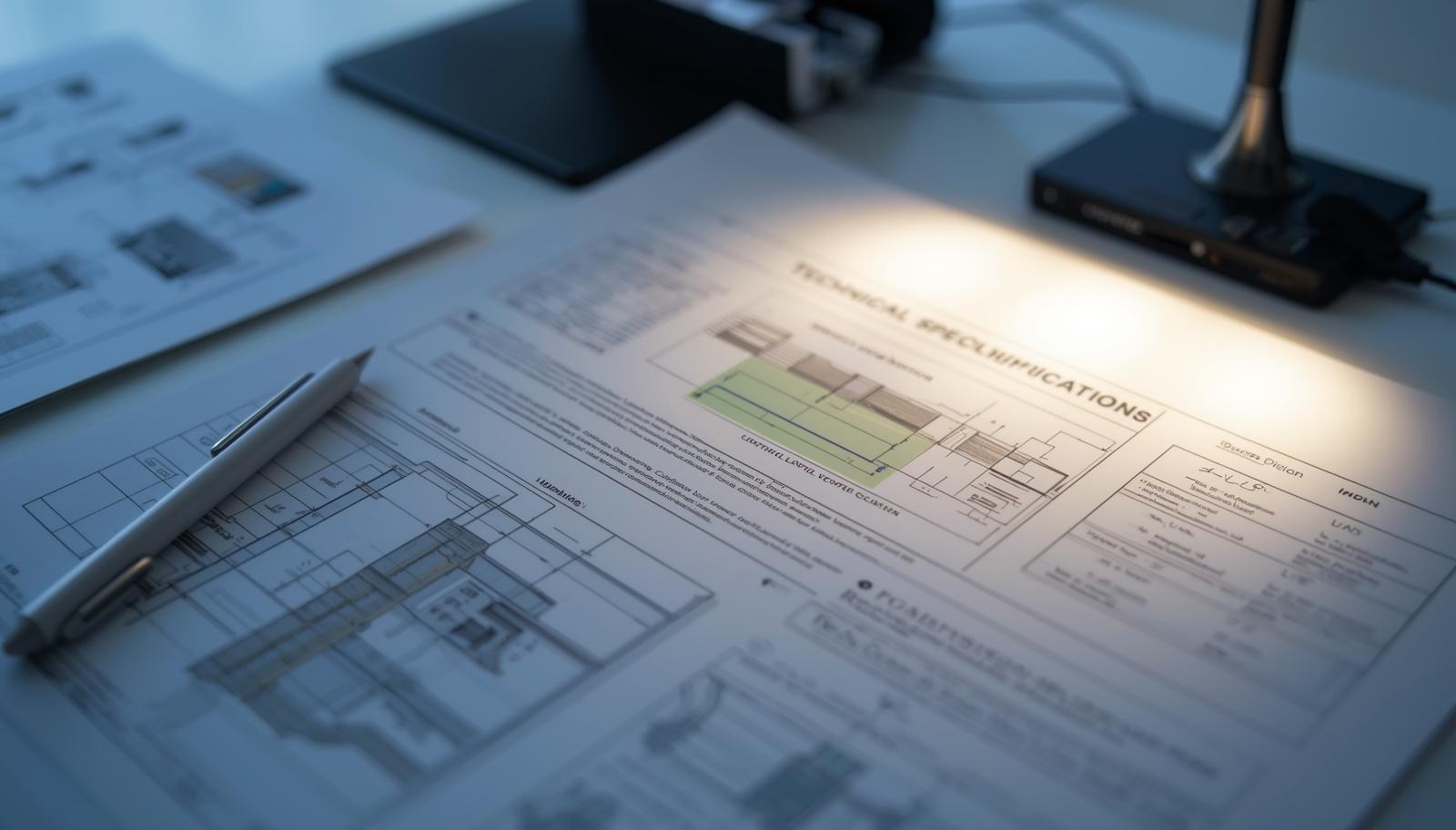
Every environment serves a different purpose, and lighting should be designed to complement it. A well-thought-out lighting design considers:
- How the space is used
- Who occupies it
- What type of activities take place
In practice, this means that commercial lighting in offices should enhance focus and visual comfort, while lighting in hospitality or retail environments should create a warm and inviting ambience.
It is important to assess the physical requirements of the space, including:
These factors determine the most suitable lighting control system, whether:
- A simple wireless setup for smaller spaces
- A networked building lighting control system for larger facilities
Proper planning ensures stable performance, efficient installation, and optimal light coverage across zones.
2. Occupancy and Usage Patterns
Before selecting controls such as motion sensors, daylight sensors or timers, it is important to first understand the occupancy and usage patterns of the area.
How to Analyse Occupancy and Usage Patterns
- Observe how the space is used during peak and off peak hours
- Review operating hours and shift schedules
- Identify different space functions (e.g. meeting rooms, corridors, storage areas)
- Use available energy or lighting data if applicable
- Get feedback from facility or operations teams
How this supports smart lighting control
- Motion sensors for low or irregular usage areas
- Daylight sensors for naturally lit spaces
- Timers or schedules for fixed operating hours
This helps optimize the smart lighting system and improve energy utilization.
3. Colour Temperature and Ambience
Light appearance can directly impact mood, comfort, and productivity.
| Colour Temperature | Kelvin Range | Visual Effect | Best Used In | Key Benefit |
|---|---|---|---|---|
| Warm White | 2700K–3000K | Soft, yellowish, cosy | Hospitality, lounges, residential-style areas | Creates a relaxing and comfortable ambience |
| Neutral White | 3500K–4000K | Balanced, natural white | Offices, retail spaces, meeting rooms, corridors | Provides comfortable general lighting with good clarity |
| Daylight | 5000K–6500K | Bright, bluish white | Warehouses, factories, laboratories, task-heavy areas | Enhances visibility, alertness and precision |
Selecting the right colour temperature ensures your LED lighting solutions deliver a balanced combination of aesthetics and performance that suits each space.
4. Energy Efficiency, Cost and ROI Considerations
When evaluating a smart lighting solution, it is important to assess its potential for energy efficiency and cost savings. In Singapore, businesses are increasingly encouraged to improve energy performance under national sustainability initiatives such as the BCA Green Mark Scheme and broader energy efficiency programmes by local authorities, supporting the adoption of LED lighting solutions and sustainable lighting practices.
Look for smart lighting control systems that combine high-efficiency LED lighting solutions with intelligent features such as:

Dimming
Brightness control for ambience and energy efficiency.

Daylight harvesting
Reduces lighting when natural light is sufficient

Motion sensors
Detect occupancy and switch lights accordingly

Scheduling
Setting automated times for lights to turn on or off.
These capabilities ensure that lighting operates only when necessary, helping businesses achieve energy efficiency and thus reducing electricity bills, and support sustainability goals.
5. Future-Proofing and Scalability
As technology evolves, your lighting should evolve with it.
Choose a smart lighting system that is scalable, interoperable, and designed for long-term adaptability. Look for solutions that use open control protocols such as DALI, Zigbee, or Bluetooth Mesh, allowing integration with other building automation systems or IoT platforms in the future.
A future-ready system protects your investment, supports easy upgrades, and ensures your facility remains equipped for the next wave of smart building innovations.
Final Thoughts
Choosing the right smart lighting solution is not just about upgrading fixtures, but selecting a system that aligns with operational needs, energy goals and long term plans.
By evaluating space requirements, usage patterns, system capabilities and scalability, businesses can implement a smart lighting system that delivers both performance and efficiency.
A well planned solution supports energy energy efficiency , reduces operational costs, and drives the shift towards sustainable lighting over time.
Why Choose Lim Kim Hai Electric?
If you are looking for a reliable lighting supplier in Singapore offering advanced smart lighting solutions, Lim Kim Hai Electric provides end to end smart lighting control systems, from design and supply to implementation and maintenance, helping you create a smarter and more energy efficient environment.