
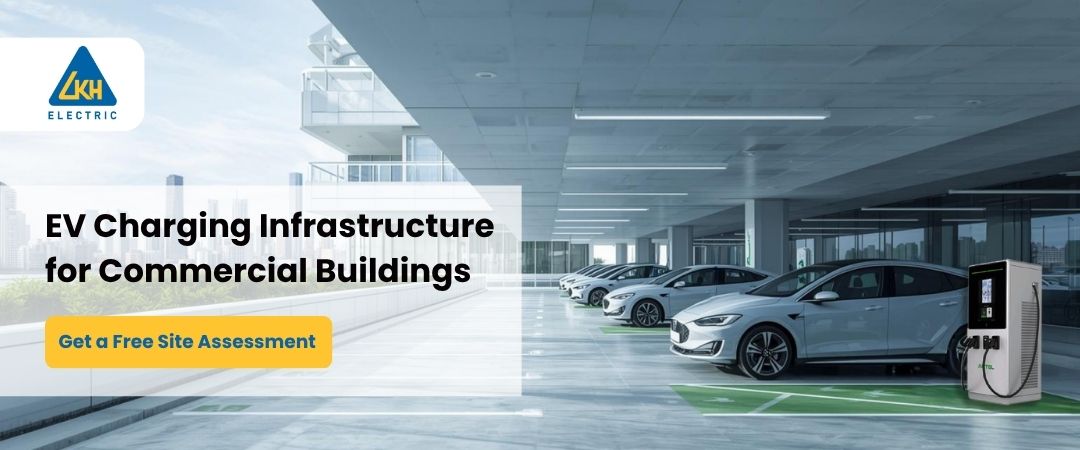
Start Your EV Charging Journey
Singapore is accelerating its electric vehicle (EV) transition under the Singapore Green Plan 2030, aiming for net-zero emissions by 2050. To support widespread EV adoption, commercial buildings are increasingly implementing EV charging infrastructure. Installing EV chargers not only provides convenience for employees and tenants but also future-proofs property assets and enhances property value.
This guide provides a step-by-step roadmap for planning and implementing EV charging infrastructure in commercial buildings, from initial assessment to installation and ongoing maintenance.
What is EV Charging Infrastructure?
EV charging infrastructure is the system that allows electric vehicles to recharge safely and efficiently. For commercial buildings, this includes:
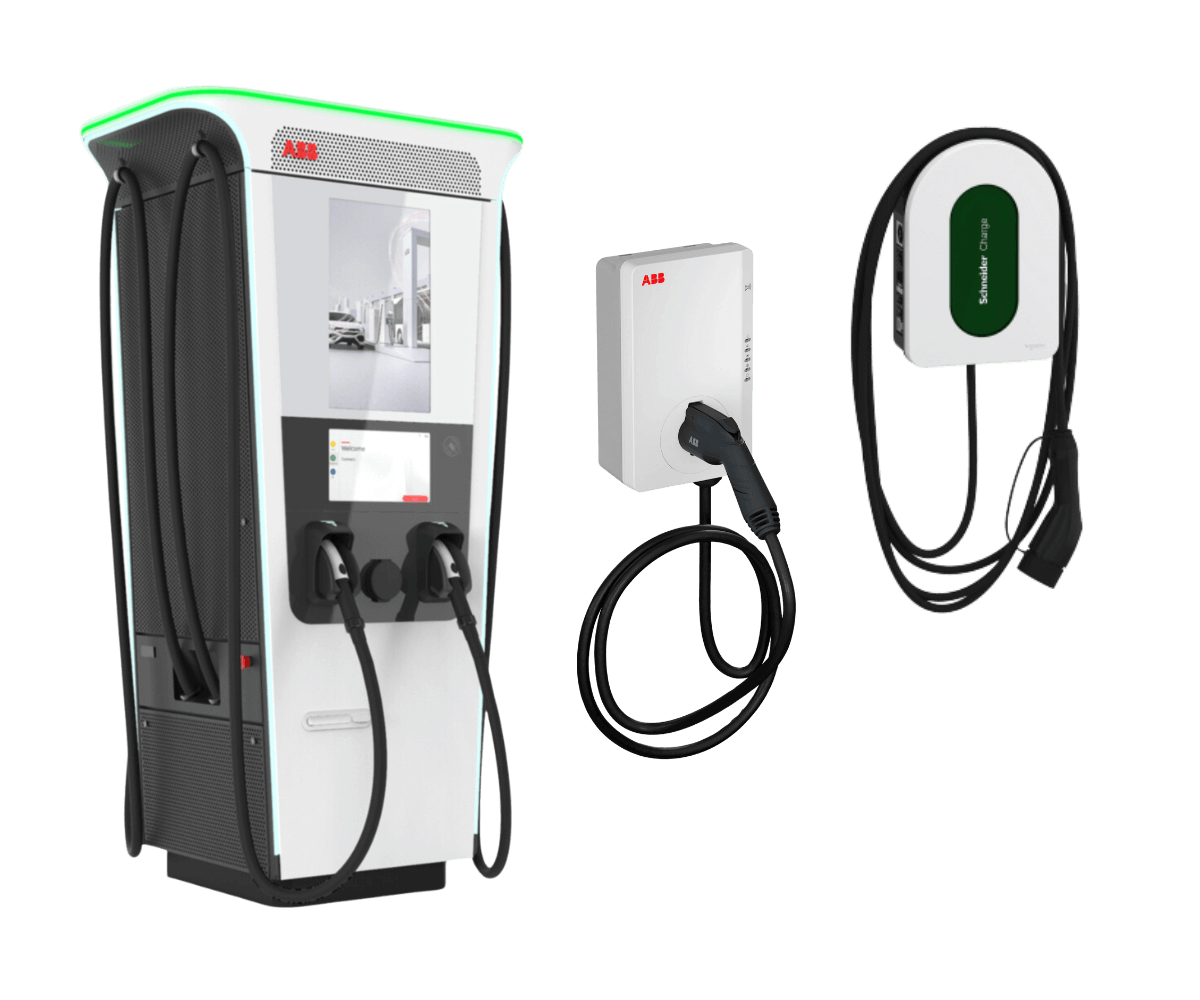
1. Charging Hardware
Choosing the right type of charger ensures energy efficiency and meets the building’s specific needs.
- AC Chargers: Suitable for office parking lots or tenant parking where vehicles stay longer.
- DC Fast Chargers: Ideal for fleets or visitor parking that requires quick turnaround.
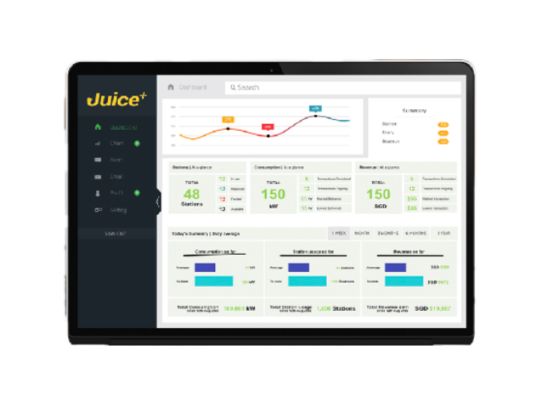
2. EV Charging Management Software
Networked platforms for real-time usage tracking, access control, and automated billing.
Types of EV Charging Solutions
We offer a comprehensive range of EV charging solutions, including cost-effective AC chargers and high-performance DC fast chargers. Businesses can select the ideal charging setup based on their operational needs, usage patterns, and budget requirements.
Type of Charger : DC Charger | AC Charger
-
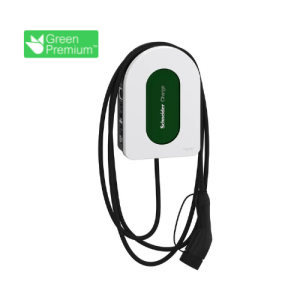
Schneider Charge, 1P+N, 7m cable, 7.4kW, 32A, EVH5A07N2C7
-
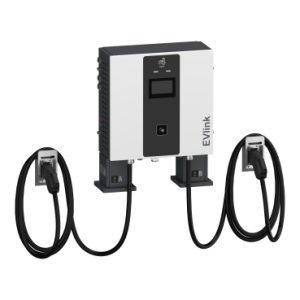
Schneider Electric Fast Charging Station, 7m cable, EVlink Pro DC, 60kW wallbox, EVD1S60TBBC7
-
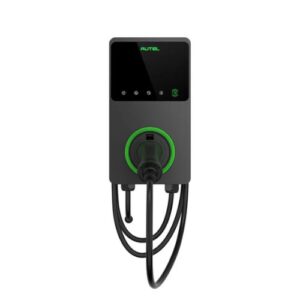
Autel EV Charging, MaxiCharger, 7kW, AC EV Charger
-
Autel EV Charging, MaxiCharger, 22kW, AC EV Charger
-
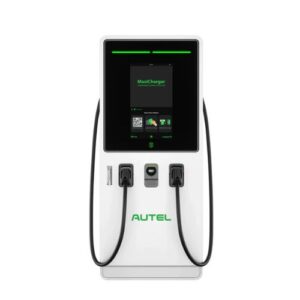
Autel EV Charger, MaxiCharger DC Fast 240kW, EF240A3001
-

Schneider Charge Pro Ev Charger, 1P-3P, 7m cable, 22kW, 32A, EVB4S22NC0G
-
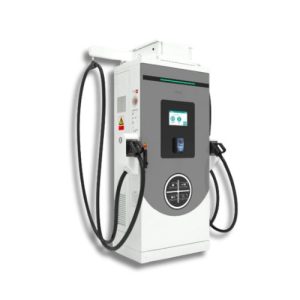
Winline DC Fast Charging Charger, Electree Cypress 120kW, YLUX120KE
-
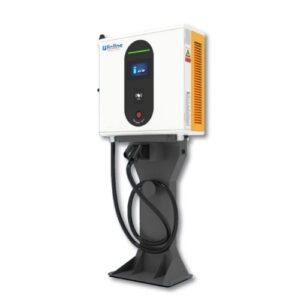
Winline DC Fast Charger, 30kW-40kW DC Charger
Understanding EV Charger Charging Speeds
- AC Charger
| Charger Type | Approx. Charge Time* | Distant per Hour |
| 7.4kW (Single Phase) | 6–8 hours | ~35–40 km/hr |
| 11kW (Three Phase) | 4–6 hours | ~55–60 km/hr |
| 22kW (Three Phase) | 2–3 hours | ~100 km/hr |
- DC Charger
| Charger Type | Approx. Charge Time* | Distant per Hour |
| 60 kW DC | 1–1.5 hours | ~250 km/hr |
| 80 kW DC | 0.75–1.25 hours | ~300 km/hr |
| 120 kW DC | 0.5–1 hour | ~400 km/hr |
| 160 kW DC | 0.4–0.8 hour | ~600 km/hr |
| 240 kW DC | 0.25–0.5 hour | ~800 km/hr |
*Approximate charge time to 80% state of charge for typical EVs; actual times vary by battery size, vehicle, and conditions.
Step-by-Step Roadmap for Building Owner to Deploy EV Charging Infrastructure
A proper assessment is the foundation of successful EV charging implementation. Key steps include:
Step 1: Assess Your Electrical Infrastructure
A reliable EV charging infrastructure starts with evaluating your building’s electrical capacity:
- Available electrical power and transformer capacity
- Distance from electrical distribution boards
- Potential need for electrical upgrades
- Future expansion capacity
Many commercial buildings use dynamic load management to share power between multiple chargers efficiently. This allows more EV charging stations to be installed without costly infrastructure upgrades.
Step 2: Define Your Charging Goals
Before installing EV charging stations, start by defining the purpose of your chargers:
- Employee or Tenant Convenience – For office buildings or residential developments.
- Customer Attraction – Retail malls, hotels, and commercial centers.
- Revenue Generation – Paid access to charge point charging stations.
- Sustainability and ESG Goals – Support the building’s green initiatives.
Your objective will guide decisions on charger type, quantity, layout, and software requirements.
Step 3: Choose the Right Type of EV Chargers
Selecting the right charger type ensures your commercial EV charging solution meets user needs.
AC Chargers (7–22 kW)
- Lower installation cost
- Ideal for offices, hotels, and long-term parking
- Charge vehicles over 3–8 hours
DC Fast Chargers (50 kW+)
- Fast charging in 30–60 minutes
- Best for high-traffic locations or fleets
- Requires higher electrical capacity and cost
Most commercial buildings combine multiple AC chargers with a few DC fast chargers to balance cost and usability.
Step 4: Explore EV Charger Grants
Before engaging an EV charging supplier, check if you are qualifies for government support:
Electric Vehicle Common Charger Grant (ECCG)
- Supports non-landed private residences (NLPRs), covering shared common-area chargers
- Co-funds 50% of installation costs, including charger equipment, cabling, and LEW fees. Funding capped at $3,000–$4,000 per charger depending on batch
- Available until 31 Dec 2026 or 3,500 chargers funded, whichever comes first
Electric Heavy Vehicle Charger Grant (EHVCG)
- Available 1 Jan 2026 – 31 Dec 2028
- Co-funds up to 50% of installation costs including charger equipment, cabling, and LEW fees, capped at SGD $30,000 per charger.
👉 View full eligibility and application details on LTA’s official website.
Step 5: Plan Charger Locations
Strategic placement of EV charging stations ensures safety, convenience, and scalability:
- Close to electrical rooms for easier installation
- Visible and accessible for users
- Consider cable routing and trenching requirements
- Plan space for future expansion
Step 6: Comply with Safety and Regulatory Requirements
All installations must follow national safety standards:
- Chargers must comply with Technical Reference 25 (TR25)
- Must be installed by Licensed Electrical Workers (LEW)
- Comply with the Electric Vehicles Charging Act (EVCA) for licensing and safety
Experienced solution providers can help ensure your EV charger commercial deployment is fully compliant.
Step 7: Implement Charging Management Software
A charging management system is critical for smooth operations:
- Monitor charger status remotely
- Track charging sessions and energy usage
- Automate billing and payments
- Control user access
- Receive maintenance alerts
Proper software ensures a seamless experience for drivers and building operators.
Step 8: Plan for Operations and Maintenance
Regular maintenance ensures your charge point charging stations remain reliable:
- Routine inspections and servicing
- System monitoring and software updates
- Fault detection and troubleshooting
- User support and billing management
High uptime is essential to maintain user trust and satisfaction.
How Businesses Can Implement EV Charging Station
Successful installation demands precise coordination across site surveys, regulatory compliance, and certified electrical work — all sequenced to minimize disruption to daily operations.

Site Survey
Identify optimal charger placement and cabling routes to minimize cost and disruption.

Permits & Approvals
Comply with BCA and local authority requirements. Our team manages all submissions on your behalf.

Electrical Work
Certified installers execute all wiring, panel upgrades, and charger mounting to the highest safety standards.
Don’t Know Where To Start With EV Charging?
Lim Kim Hai Electric, a key player in Singapore’s EV ecosystem, is ready to support your journey. We help commercial buildings including shopping malls, industrial facilities, hotels, and logistics companies plan and deploy reliable EV charging solutions.
Why work with Lim Kim Hai Electric:
- Over 60 years of electrical expertise, providing end-to-end EV services: supply, installation, and maintenance.
- Offers a wide range of AC and DC chargers all compliant with TR25:2022 safety standards.
- Over 1,000 EV chargers installed across Singapore

Request A Free Site Assessment Today!
Simplify your EV charging installation with us. Request a free site assessment and get expert guidance today!